Showing posts with label hair growth. Show all posts

Wednesday, May 2, 2012

Pulling out gray hairs?

Some people have said that if you pull out a gray hair, more gray hairs will grow in it’s place...

In other words, they are trying to dissuade you from doing it by saying you are only going to make the problem much, much worse.

The truth is, that eventually, more gray hair is inevitable but in the meantime you are pulling your hair out prematurely which may or may not result in immediate problems but with time, can cause other problems.

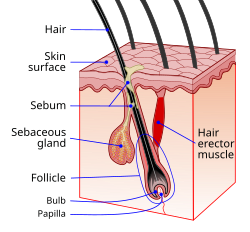
What’s happening is that the follicle, a little cove in your skin where the root or bulb of the hair grows from, matures to the point where melanin (pigment/colour) is no longer produced by the melanocytes (cells which produce pigment/colour). The follicle is part of your scalp and goes through a pattern of growth, cessation of growth and then a resting phase which allows the hair to fall out, followed by a phase of growth again (Hopefully! Unless it gives up the ghost).
http://upload.wikimedia.org/

If you pull the hair out in the growth phase of the follicle, then a new hair will begin to grow out again but it won’t grow as long as it would have as it is closer to it’s non-growth/fall out phase. If you damage the follicle when pulling out the hair, it may cause the hair to grow back differently or even not to grow back at all, leaving you with permanent hair loss.

When two to three hairs do grow from the same follicle, this is actually not the norm, but it may be provoked by hormones, genetics and stress (which causes an imbalance in the hormones). This is known to occur with body hair but I’m unsure how true it is of the hair on your head as they are different types of hair.

So essentially, it is unlikely that more than one gray hair will grow where you have pulled a single hair out, but most likely a gray hair will begin to grow again in that same spot. You may however unwittingly damage the follicle permanently and cause hair loss or cause a mutation in how the hair is formed.

Pulling out hairs is also a sign of stress and anxiety which are linked to hair loss, so my recommendation would be to deal with the underlying thoughts and feelings that you have instead of potentially causing more problems and stress with a ‘solution’ that isn’t really a solution at all!

Tuesday, August 16, 2011

Hair Loss and Thinning

Is it normal?
Though hair loss isn't generally considered a health threat, it does affect the way we feel about ourselves. The scope of a hair loss problem is therefore not determined by counting the number of hairs you are losing per day but by the way it makes you feel. 

I believe you are the most qualified person to judge whether you have a problem with it or not. If it seems different, it probably is, and this is not a case in which you have to accept it just because it is a common problem and isn't life-threatening. Hair loss may just be a clue to a lack of well-being or a more serious condition, and by treating the it holistically you may experience improved vitality in other ways too.

Now all we need to do is figure out what's causing it...
The only real medical concern may be sudden and patchy hair loss occurring all over the head and is best seen by a dermatologist or trichologist, as this may indicate a disease of the hair follicles called alopecia areata.

Apart from that you may be experiencing temporary hair loss due to fluctuating hormonal levels. These can be experienced at times like puberty, going off the contraceptive pill, childbirth and menopause. If the hair does not grow back normally afterwards, your hormonal system may have gone out of balance and need to be attended to.

Another cause may be prolonged stress on the body's organs and systems which can lead to illness and a lacklustre appearance. Stress will most likely manifest in a number of other symptoms which can include fatigue, bad skin, poor weight management, migraines and insomnia. When we are free of a chronic stress situation we may not necessarily be free of these symptoms and we need to rest our body as well as feed the body with the correct nutrition it needs to repair and sustain itself.

However if you are experiencing progressive hair thinning and loss, the answer most probably lies in genetics. Let's have a look at what Dr. Michael Mol has to say about it:

7 out of 10 men will suffer from Androgenetic Alopecia, which is the scientific name for the genetic predisposition in men for pattern hair loss - and is the cause of over 95% of all balding.

That doesn’t leave much room for all the Old wives tales about balding – and rightly so, because most of them are downright wrong; Standing on your head or massaging your scalp is an act of futility, there is simply not enough evidence to label bad circulation as a cause. Wearing a hat, long hair or a ponytail has no detrimental impact on your follicles. Stress plays a possible role, but for significant hair fallout you’d have to live through several months of extreme emotional turmoil. Sweating is a possible contributing factor, through clogging and killing follicles – but most shampoos will combat that consequence. A good rule of thumb is - if it didn't make you bald when you were 15, it's probably not making you bald now.

Science has yet to prove what is truly responsible, but this they do know: DHT (Dihydrotestosterone) is a naturally occurring hormone (that assists with sexual development during puberty), which triggers an autoimmune response, initiating an attack on the hair follicle. With each progressive growth cycle (as we get older!) the hair gets shorter and thinner, withering until it finally turns into unpigmented vellus hair – or peach fuzz!

Our individual susceptibility to that hormone differs – and that’s where genetics come into play. The tendency to lose hair is inherited from either parent (it’s a myth that the mothers’ side is more crucial!), and stretches as far back as 6 generations.

So, beside a proper haircut, that can make a vast difference in diffusing hair loss, is there any real hope for the “bald & beautiful?” Absolutely! For the first time in history, medical science has shown that hair loss can be treated, and even reversed. You’re no longer obliged to glibly accept your fuzzy fate, but rather speak to a qualified dermatologist who’ll introduce you to a new world of “hair-raising" technology.


But before you blame genetics, remember that hair loss is not considered a medical health threat so we can also consider that there are pharmaceutical drugs which actually have the unpleasant (but not medically-concerning) side-effect of hair loss!

We already know chemotherapy causes hair loss and now you are aware that the contraceptive pill can too. It may be the simplest way to find a clue for hair loss (or any other abnormal symptom you may be experiencing) by taking a look at the side-effects of any medications you have taken in the past (Google all your medications if you need to).

Medical Treatments
Back to what Dr Mol was saying, there are medical options available to treat genetic hair loss. Dr. Kevin Alexander (M.B.B.Ch.), for example, practices at the Hair Loss Clinic in Johannesburg, South Africa, and is available for a consultation (via Skype if necessary) to discuss diagnosis and treatment of hair loss.

For your interest and understanding a medical point of view, Dr. Alexander answers the following questions and more at http://www.hairloss.co.za/faq.html
  • What is the difference between normal and abnormal hair loss ?
  • What are the main and other causes of hair loss?
  • Does diet influence hair loss?
  • Can hair loss be treated, and if so how?
  • Are there any preventative measures that can be taken to avoid hair loss, and if so what?
  • At what stage, if any, would you suggest a patient undergo hair replacement/ transplant?
  • How do hair replacements/transplants work and for how long do they last? Are they very noticeable? Do they require special treatment?
    Medical solutions for androgenic alopecia (genetic hair loss) include:
    1) Medications: Finesteride, Propecia or Regaine/ Rogaine/ Minoxidil.
    2) Replacements/transplants

    Medical treatments for all types of alopecia:
    3) Low Level Laser Therapy (LLLT) - laser light is absorbed by the cells (photo biotherapy) which stimulates cell metabolism and enables damaged cells to repair themselves.
    4) Bio-Electro Magnetic Energy Regulation (BEMER) - is able to help one recover from stress, injury and pain, improve the condition of the skin, improve the functioning of organs and promote general well-being by assisting the following natural processes of the body:
    • Micro circulation
    • Macro circulation
    • Partial oxygen pressure
    • Protein bio-synthesis
    • ATP production
    • Immune system
    • Analgesic and anti-oxidation regulation
    • Repair mechanisms
    These treatments can be recommended by a dermatologist, trichologist, plastic surgeon or physiotherapist.

    Natural Treatments
    There are also natural supplements which are also known to be effective for treating hair loss and stimulating growth. The main ones are:
    1. Saw Palmetto
    2. Nettle
    3. Pygeum
    4. Zinc
    5. And Essential Fatty Acids
    Lifestyle changes
    • Nutrition, Diet & Exercise - According to Mary-Ann Shearer of The Natural Way, our lifestyle can affect the balance of our hormones. By eating correctly we can rebalance the acidity/alkalinity which our body needs for healthy processes and a healthy hormonal system. Read her book "Perfect Health: The Natural Way" for more information or attend one of her talks listed on her website www.naturalway.co.za
    • Aromatherapy massage - Massage stimulates the blood flow which helps to relieve tension and promotes healthy cells. Essential oils are also known for balancing and conditioning the scalp and hair. Some of the best oils for stimulating hair growth include Rosemary, Lavender and Neem, but just about all the oils are beneficial due to their anti-bacterial and oil-balancing nature.
    • Hair Colour & Other chemical processes - Care needs to be taken to avoid overprocessing the hair and harming the scalp. Hair colours should not be left to process for longer than an hour. Normal hair colouring and highlighting should process between 20 minutes and 45 minutes. Perms and straighteners should be processed according to the manufacturer's instructions and relaxers often only process for 15 to 20 minutes and are best applied and rinsed timeously.
    • Shampoo - Changing your shampoo affords the opportunity of eliminating harmful ingredients like SLS and substituting them with vitality-enhancing and balancing ingredients like essential oils.
    For more information on any of these options please feel free to message me.

    See also: Caring for a Sensitive Scalp
    Aromatherapy: Essential Oils for treating Hair and Scalp

    Secrets to Strong, Healthy Hair
    Healthy Hair From The Inside Out

    Naturalmente - Shampoos & Conditioner/Treatments

    Organic Hair Colour - Does it exist?
    Hair Dye Allergy, Henna & Pregnancy

    Friday, June 3, 2011

    Caring for a Sensitive Scalp

    The tell-tale signs of a sensitive scalp are itching, redness, allergic reactions, sudden dryness or oiliness, extreme sensitivity to heat and sensitivity to certain ingredients in personal-care products, especially alcohol.

    To better care for a sensitive scalp here are some quick tips to take note of:

    (1) Stick to Mild Formulations
    To care for a sensitive scalp you would be wise to only use products that are suitable for sensitive skin, with mild, hypo-allergic formulations, free of synthentic preservatives (eg. parabens and formaldehyde) and fragrances.

    (2) Avoid extremes of acidity and alkalinity
    Avoid Mint, Citric acid, Lemon or Lemongrass which can be over-stimulating and preferably use products which simulate the ph of healthy skin; between 4.5 and 5.5.

    (3) Moisturise and Nourish
    It is important to keep sensitive skin from becoming too dry so be sure to use nourishing products which glide, just as you would nourish and moisturise the sensitive skin on your face, a sensitive scalp also needs extra care.
    Essential oils are amazing in this regard and are able to normalise the sebaceous glands over time with regular use.

    (4) Use Sun-protection
    Naturalmente
    Flower
    Hair Oil
    Both the hair and scalp can benefit from sun-protection, but it is especially important for those whose scalp is exposed or who have thinning hair.

    Apart from using a hat, there are great products for protecting the hair and scalp.


    When choosing a product for protecting a sensitive or bald scalp, look for zinc oxide or titanium dioxide, as these sit on top of the skin and reflect the sun, rather than soaking into the skin. 

    The Natural Sun range from Naturalmente relies on vegetal oil and the pure natural extracts of plants and flowers to protect the hair from sun damage, and will leave it feeling soft and hydrated.


    (5) Take Care with Colour
    A sensitive scalp is more prone to reactions to hair colouring and can even develop an allergy to dye immediately or over a long period of time. Once you have had a reaction to hair colour, it often gets worse over time so be extra careful to do an allergy test if you are particularly sensitive or prone to allergies, but otherwise stick to the more natural hair colour ranges and options, such as Naturalmente professional hair colour system.

    Though it may take some trial and error to find the right products to successfully care for your hair and scalp, it will be worth it when you can feel your scalp is gently cleansed as well as nourished and protected.

    See also : Aromatherapy: Essential Oils for treating the Hair and Scalp
    Organic Hair Colour: Does it exist?
    Hair Dye Allergy, Henna & Pregnancy

    Monday, February 14, 2011

    Secrets to Strong, Healthy Hair

    It was an honour to be asked to write as a guest contributor by Monique of Oh Darling Bride and even more of a pleasure to work with her.

    My first post for brides-to-be is entitled 'Secrets to Strong, Healthy Hair', and begins with an introduction from Monique...

    ---------------------------------------------------------------


    Every bride-to-be wants a glowing, shiny crowning glory on her wedding day. I know I do!


     Chene, hair styled by Catherine Faull. Photography by Abigail K. See the wedding here.

    If you’re trying to maintain healthy locks for your big day, read Catherine Faull, hairstylist and new Oh Darling Bride contributor, top tips to strong, healthy, shiny hair.
    ---------------------------------------------------------------

    Click here to read the rest of the post.

    You may also be interested in these posts:
    Treat Your Tresses
    Healthy Hair From The Inside Out
    Hair Loss And Thinning

    Tuesday, February 1, 2011

    Aromatherapy: Essential Oils for treating Hair and Scalp

    Many of the essential oils used in aromatherapy are great for treating the hair and scalp. The oils often have anti-oxidant and anti-bacterial properties and are able to normalize the natural oils of the scalp and treat a number of common problems like dandruff, oily scalp and poor circulation.

    Some are even known for stimulating new and lustrous hair growth.


    Pampering and Treating yourself

    Aromatherapy also has the added benefits of stress-relief, especially when combined with massage. Some of the following oils are even beneficial for alleviating depression, anxiety and headaches. So read on to discover the wonders of aromatherapy oils :)


    Basil is great for controlling oily hair and dealing with stress. It even promotes hair growth.
    (May irritate sensitive scalps)


    Bay
    is good for circulation, hair growth and improving the general health of the scalp.(May irritate sensitive scalps).


    Cedarwood
    is soothing, calming and relieves irritation. It helps to re-balance an oily scalp and alleviates dandruff.


    Chamomile is a mild, soothing and antiseptic. It can calm dry, irritated skin and is good for reducing the symptoms of dandruff and treating allergic reactions. It also aids in skin regeneration. Chamomile is used for fine to normal hair and can refresh and enliven golden highlights in the hair.

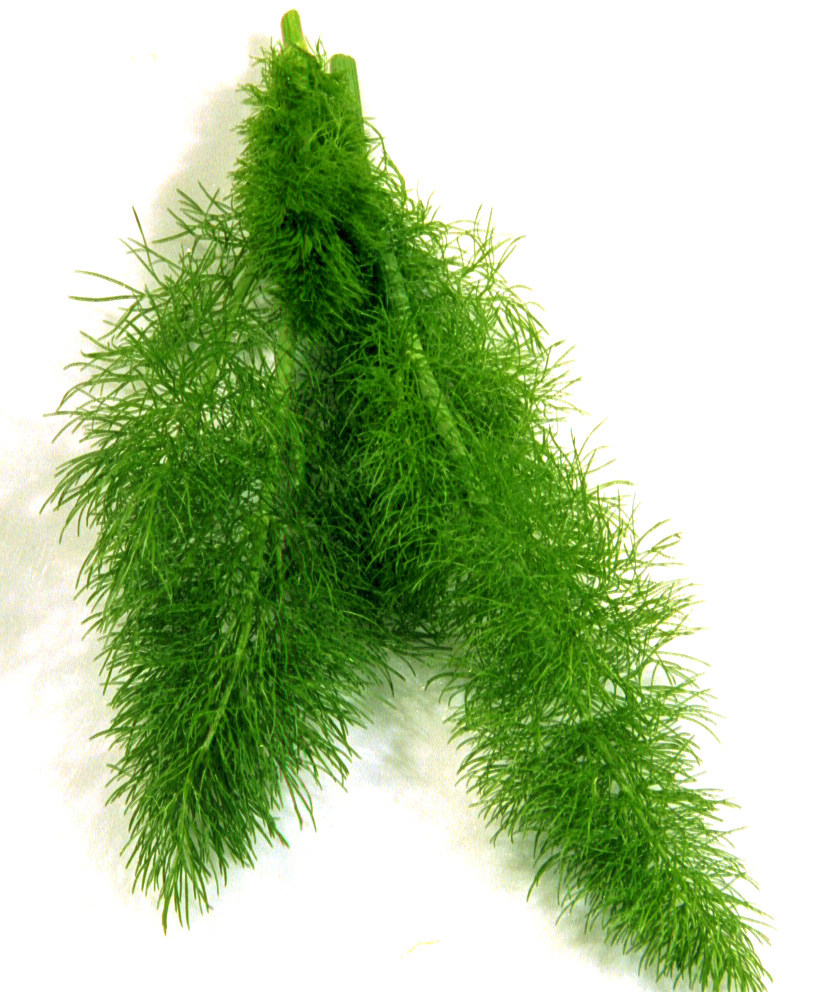
    Fennel
    is anti-aging and cleansing. It is also balancing for an oily scalp and promotes the general health of the scalp.

    Geranium
    is up-lifting and balancing. It treats lice, poor circulation and stress.


    Grapefruit
    helps clear oiliness and promotes hair growth. It also alleviates stress, depression, headaches, tiredness and moodiness.

    Lavender
    is considered one of the safest oils and used for normal hair. It can also be used as a soothing and calming scalp treatment for itchiness, oiliness, dandruff and even lice! Lavender also treats depression and stress.


    Lemon removes sebum and acts as a very effective anti-bacterial treatment for dry scalp, oily/greasy scalp, dandruff, lice, and underactive sebaceous glands. It can also be used to improve circulation, concentration levels and energy levels whilst reducing stress and alleviating headaches.
    Lemon is can also enhance golden highlights.
    (Avoid direct sunlight exposure when using lemon oil)

    Myrrh is a great oil for detoxifying and alleviating skin ailments. It treats dry hair, dandruff and lice, and regulates oil production; especially under-active sebaceous glands.

    Neem oil has a very strong smell; a combination of peanut and garlic. It helps reduce scalp inflammation and itching and is able to treat head lice too.

    Patchouli stimulates cell regeneration and is able to treat a number of scalp disorders. It is great for removing dandruff and controling oil production.
    (Has a very strong smell which some people can't tolerate and large doses may trigger appetite loss).

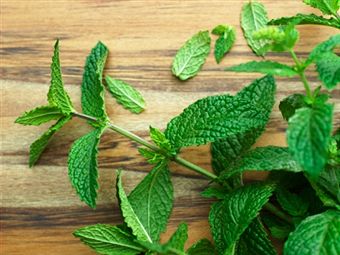
    Peppermint
    is refreshing and cooling. It helps reduce redness, itchiness and irritation. It's great for itchy dandruff problems and cooling inflammation on the scalp. Peppermint is used for dry hair. It promotes hair growth and is beneficial for treating headaches and stress.
    (Avoid if your skin is sensitive to menthol. Should also not be used for small children).

    ** ROSEMARY **
    is the wonder oil of essential oils for the hair as it has a pronounced, positive effect on the health of the hair and scalp. With a pleasant, tantalizing and stimulating smell, it increases the circulation to the scalp and is especially known to help promote and stimulate hair growth.  Rosemary oil is great for treating scalp disorders (eg. oiliness and dandruff). It is also beneficial for alleviating headaches and migraines. When added to shampoo it not only increases the circulation to the scalp and thereby improving hair growth, but also acts as a general conditioner and tonic for the hair and scalp. It furthermore stimulates the brain, improves memory and promotes clear thinking too!
    (However it is not suitable for people suffering from epilepsy or high blood pressure).

    Sandalwood
    is calming and relaxing. It relieves a dry, dehydrated scalp, itching and inflammation, alleviates stress and depression and has anti-aging properties. It also has a balancing effect on oily scalp.

    Tea Tree cleanses and purifies. It is anti-bacterial and immune-boosting. Great for treating mild dandruff, head lice and regulating the sebaceous glands - oily/dry scalp.

    (Not suitable for sensitive skin; may cause an allergic reaction. Also not to be used on open skin as it is very potent).

    Ylang-ylang is fragrant oil which is soothes, calms and balances - good for the body, mind and soul. It helps to balance skin regeneration and stabilize sebum production (oily/dry/dandruff). It also has a stimulating effect on the scalp which promotes more luxurious hair growth.
    (Over usage or large doses can cause nausea and headaches in some people. May also cause sensitivity).

    Since I'm not an expert in aromatherapy I won't be telling you how to mix any of the oils for your personal needs; I am merely highlighting the benefits of essential oils and would like to promote an appreciation for aromatherapy in hair care, as you may find more and more brands using oils in their products, especially shampoo.

    What is even more exciting is that the more forward-thinking brands are even incorporating essential oils into their styling products, meaning we will be treating our hair and scalp (and also our bodies) to soothing, healing formulas rather than the old chemical formulas with parabens and perfumes (no perfumes are needed when using essential oils as they provide naturally pleasing fragrances). For more information, see my blog posts about Naturalmente.

    CAUTION:
    Do not use essential oils on broken or irritated skin. In high concentrations, essential oils may irritate sensitive skin.
    Never apply directly to the skin without mixing with a base or carrier oil (eg. Jojoba oil, Olive oil, Hazelnut oil, Sesame oil, Hemp Seed oil, Almond oil, Grapeseed oil or Soybean oil).
    Keep out of reach of children. Keep away from the eyes. Do not ingest.
    Seek medical advice if pregnant, suffering from epilepsy, or using homeopathic remedies. 


    If you enjoyed this post you may also enjoy: Caring for a Sensitive Scalp
    Healthy Hair From The Inside Out
    Treat Your Tresses
    Monday, January 24, 2011

    Introduction to Naturalmente - 100% Natural Professional Hair Care

    Hair Colour, Cleansing, Care and Styling

    Naturalmente aims to successfully raise awareness of environmentally-friendly personal wellness products.

    The Naturalmente range uses 100% pure essential oils and specially cultivated organic ingredients ensuring that the products are free from pesticides and petrochemical fertilizers.

    It contains no Sodium Lauryl Sulphate (SLS), Sodium Lauryl Ether Sulphate (SLES), Parabens, Formaldehyde, Ammonia, Diathanolamine or synthetc perfumes.

    More about Naturalmente's policy to respect nature:
    • Never during any stage of development are any of the products tested on animals
    • None of the products contain any ingredients of animal origin
    • Raw ingredients are produced biologically and organically and are certified worldwide.
    • And the packaging is even made of material that does not release toxic gasses when burnt.
    Apart from the great personal benefits achieved, the Naturalmente formulas are highly concentrated resulting in a very cost effective product because of the high yield achieved from small applications.

    Testimonials
    "I am so totally impressed with the Naturalmente shampoos and hair care. [My husband]'s bald spot has completely covered up with thick hair growth. He thought he had lost it forever and even tried some not-so-natural products. Just shampooing with Naturalmente's shampoos and using their conditioner has reversed his hair loss.

    It seems to me that even the 95% natural products we were using had a detrimental effect on his head..and mine for that matter. I was losing hair at rate (all literature said it was menopausal) so I just thought that I had enough hair to carry me through (must admit I panicked on some days).

    Well now if I lose 1-2 hairs a day that would be a lot! My hair is also losing the frizzy menopausal texture and reverting to my previous strong and curly but flatter hair. Each wash gets better and better. Completely impressed with how long it lasts. Started using 5 months ago and am only half way through the bottle, so looks like it can last close to a year" - Mary-Ann & Mark Shearer (The Natural Way), Somerset West, South Africa

    "What a fantastic product! I will be recommending this to all of my friends" - Jill

    "It is wonderful stuff for fine hair, with a tendency to droop - I am thrilled with it" - Kathleen, Scotland

    "Dear Angie & all at Naturalmente, I would like to tell you all how grateful I am to have such a fabulous product in my salon. I have been able to transform not only my own hair but also so many of my clients'. The joy of instantly being able to give a client shiny silky hair that they have never been able to feel their whole lives is unbelievable. I just can't believe that it has taken so long but thank you all involved for bringing this range to Cape Town" - Callo Hair Designs, Cape Town, South Africa

    "I have never been so delighted with a retail range that has had as many repeat sales. Definitely brings hair back to its true nature!!" - Renergize (Hair Salon), Plumstead, Cape Town, South Africa

    "I was given samples to try, and wasn't all that helpful, assuming it was all sales talk. Loved using the products, when they ran out I went back to my normal products - I can't stand them anymore! I HAVE to use these products! They are 'simply the best'! My hair has never felt better! Amazing!!" - Matthew, Randburg, South Africa

    "I have been using Naturalmente shampoo and conditioning treatments for 5 months. My hair is in the best condition, shiny and healthy. My hair is growing faster and there is a lot more of it. I use the Smoothing Solution to calm my curls and love that I can run my fingers through it without getting stuck, so natural. I have received so many compliments from my friends!" - Jénine

    "Love the products. I had my colour done and it is great. The shampoo and conditioner make my hair shiny and it smells yummy!" - Chelsea (17 years)

    "Since I have been using Naturalmente products, my wavy/curly hair has been shiny and soft. I've also had colour done and the result was wonderful. A rich, vibrant colour that lasts for ages. Now whether I wear my hair curly or straight, it looks and feels great!!" - Shelley

    "I really appreciate your honesty and your unique approach to hair! I am so happy with the results of the blue conditioner, it is a huge improvement!!" - Terry

    I have also noticed that the Naturalmente products sell themselves in the sense that clients ask for the products more than hairdressers spend time talking about them. And clients will be so genuinely excited about the results that others will overhear and will want to buy them too. For example one client told me she bought Naturalmente Rosemary and Lavender shampoo for her husband after she heard another lady saying that her husband's bald spot had started growing hair again.

    You will find more information about Naturalmente available on Facebook at Naturalmente South Africa; including a comprehensive brochure which introduces you to the various shampoos, conditioners, treatments and styling aids.

    Wednesday, November 10, 2010

    African Organics - Hair & Body Range

    Review of African Organics Hair and Body Range

    African Organics Range
    Source: Phytotradeafrica.com
    I've been using their shampoo for 4 months now and I'm very happy with the product, so much so that I will most likely never use another type of shampoo again. I found it to be incredibly gentle and left my hair feeling cleansed without stripping my scalp entirely of moisture.

    African Organics conforms to both BDIH (Germany) and Ecocert France standards for 100% natural products and doesn't contain synthetic preservatives, petrochemicals or synthetic fragrances. Their ingredients are 100% African and rapidly biodegradable. This means that the products are not only good for you but good for the environment and good for the African economy.

    The range consists of shampoo, conditioner, 2-in-1, body wash and body lotion and all their products are low priced and affordable.

    They are also endorsed by Beauty Without Cruelty and are not tested on animals (African Organics won't even buy from suppliers who do).


    The Ingredients

    African Organics can be used confidently by those with sensitive skins as they do not contain any harsh chemicals and they are pH balanced for your skin and hair.

    Extracts of Coconut (Cocamidopropyl Betaine - NOT Sodium Lauryl Sulphate!) are used to cleanse and nourish your hair and scalp, and provide a lathering base for the shampoo and body wash.

    Rosemary extract is known to stimulate a healthy scalp and healthy hair growth.

    Aloe Ferox is great for healing skin and scalp troubles. You could say it has regenerative properties and is also soothing for irritated and sensitive scalps. Aloe is used to help reduce excessive hair loss and normalizes the scalp. For the hair itself it is a good natural conditioner.
    Some of the other fantastic African ingredients include:
    Spearmint Leaf Oil, Baobab Fruit extract, Rooibos extract, Buchu extract, Sunflower seed oil, Jojoba oil, Vitamin E, Hydrolyzed Wheat Protein, Honeybush Leaf Extract, Marula Oil and Sesame Seed Oil, all of which is really good for you and your hair.

    A Synthetic Cosmetic Ingredient to Avoid

    While we are on the topic of organic shampoo, the number one ingredient to avoid is Sodium Lauryl Sulfate (or Sodium Laureth Sulfate or SLS). It is also frequently the most prominent ingredient in cleansing products.

    According to Organic Consumers,"This synthetic substance is used in shampoos for its detergent and foam-building abilities. It causes eye irritations, skin rashes, hair loss, scalp scurf similar to dandruff, and allergic reactions."

    I've been told that SLS is used by Dermatologists to sensitize the skin before testing for allergies and so we can infer that it is a irritant for most people's skin.

    It's no surprise then that people who frequently expose their skin to products containing SLS develop Dermatitis and other skin troubles as the skin's protective moisture barrier is weakened.

    It is most probably the main reason why small children and pets should not be cleansed with adult shampoo, EVER. The question is, do we really need this ingredient ourselves? Go check your current shampoo now. It's probably right there next to Aqua.

    For this reason you wouldn't wash your face with shampoo and yet I'll tell you something amazing, I have been washing my face with African Organics shampoo and it feels so nice and cleansing without leaving it tight and dry and no residue either. I've only done this because I know and trust that the ingredients are top quality and it's been the ultimate test that this shampoo and this brand is GOOD for your skin.

    I hope you can make a better and more informed decision about shampoo from now on. Take Care :)

    Tuesday, July 27, 2010

    Healthy Hair From The Inside Out

    To be honest healthy hair is built on the nutrients that we put into our bodies so there is truth to the notion that we can affect the growth and health of our hair's natural cycle by giving it what it needs - or not giving it what it needs! In other words, you are what you eat.

    Hair Growth - a Little Scientific Background

    The average hair is genetically predetermined to grow for about 5 years at an average rate of 1cm per month. Obviously what is considered normal is actually quite broad and some people will have much faster growing hair than others, just as some people are much taller than others.

    The growth phase is followed by a relatively short period of rest, usually a few months, during which the hair is no longer growing. At the end of the rest period the hair is shed as a new replacement hair pushes it out naturally. This is known as the hair growth cycle.


    Your hair is fed nutrients from the blood supply which is connected to your hair shaft at the bulb. This entire growing process only occurs within the hair follicle (which is the sheath within your scalp for each individual hair). Once the hair has emerged out of your scalp, it is dead and no longer able to receive nourishment from the blood.

    Motivated to be Healthy

    For the most part worrying about how to keep our hair healthy isn't something that keeps us awake at night but you may find that your hair is an indicator of changes in your overall health and so it can be motivation to get healthier. Deficiencies or imbalance can creep into our lives so easily these days due to stress, recovering from illness, smoking or dietary deficiencies (e.g. a vegetarian diet, a westernised or unbalanced diet, crash dieting, or for other reasons like soil erosion and subsequently nutrient-deficient foods).


    When to Look Elsewhere

    If you are experiencing considerable hair loss or other alarming problems you should probably see your doctor as diet alone won't correct these. Some circumstances that have been known to affect the hair are:

    1) Puberty
    2) Pregnancy, and especially childbirth
    3) Taking a contraceptive pill, and especially going off it
    4) Other medications (Take note of the possible side effects)
    5) Thyroid imbalances
    6) Menopause
    7) Genetics - Even hereditary hair loss (male and female) is treatable.

    Disclaimer: The following information is merely an aid to increase your knowledge of nutrition and it's role for the hair. Please do not take it as gospel because it only focusses on the beauty side of nutrition and so does not fully resemble a balanced diet.

    Always consult your doctor before you make any major dietary change or start a supplementation program, especially if you already have a diagnosed condition and are taking medication.

    Food for Hair

    Protein makes up the building blocks of the cells in the body and hair is mostly comprised of the protein keratin. To encourage healthy hair growth, one's diet therefore needs to have a significant amount of protein, especially in the form of essential amino acids. Dietary sources for protein include fish, sea food, meat, eggs, liver, tofu, soy, soy milk, beans, peas, nuts, seeds, cheese, yoghurt, brewer's yeast, wheat germ and granulated lecithin.

    For good health and hair growth you also need vitamins, minerals and essential fatty acids which can be found in a diet that includes vegetables (especially dark green or leafy vegetables), fruits, nuts, seeds, fish, fish oils and some vegetable oils.

    Green tea is also apparently really good for you. However it's health benefits are in such low concentration that you would need to consume large quantities of green tea is order to benefit from it and by that stage you would have also consumed a lot of caffeine. Perhaps it is more useful for it's anti-oxidant benefits when used in skincare and haircare products?

    In terms of drinking adequate water for your health, I think we would probably do well to make a daily habit of drinking more water in proportion to other drinks and also make sure that the water you drink is free of additives and other impurities.

    Supplementation

    While eating a good diet is great, it may still be difficult to guarantee that you will get all the nutrients you need. Depending on where you live in the world and the food that is available to you, there may be deficiencies even in your obviously healthy food such as vegetables, and so supplementation may be required.

    Supplements are usually taken with food as the high concentration can cause irritation in the digestive system and nausea.

    Since this is a beauty blog I am focussing on those nutrients which are also helpful for skin and nails. Often deficiencies in nutrients that are essential for the hair (eg. Iron and Zinc) are also visible in the skin and nails and this can be a useful tool for monitoring changes in your overall health.

    Vitamins
    • Retinol / Vitamin A functions in the maintenance of healthy skin, hair and nails. There is a toxicity warning in that taking large doses of vitamin A for a long period of time can trigger hair loss and special caution needs to be taken for infants and pregnant women. Beta-carotene is converted to Vitamin A as the body needs it. It is likewise essential for hair growth and maintenance, as well as healthy skin and nails.
    • Biotin (Vitamin B7 / Vitamin H) plays a key role in maintaining healthy hair, skin and nails, as well as preventing graying. A healthy body makes its own biotin in the intestines but deficiency can lead to noticeable hair loss (specifically dermatitis alopecia). It is only required in the diet in certain circumstances.
    • Vitamin B12  (Cobalamin / Cyanocobalamin) is normally involved in the metabolism of every cell of the body. It functions in the manufacture of red blood cells and the maintenance of a healthy nervous system and is therefore important for the health and growth of the hair.
    • Folic Acid / Vitamin B9 is necessary for the formation of new cells and protein metabolism. Folic Acid is a key ingredient for the maintenance of healthy hair and skin. When deficient in folic acid, some men became completely bald.
    • Pantothenic acid / Vitamin B5 is needed for hair growth and maintaining healthy skin. It helps to build new cells, maintain normal cell growth and protect cells against the signs of aging. It is also used topically for these benefits.
    • Pyridoxine / Vitamin B6 is needed for protein metabolism and so helps to maintain healthy skin and hair. Men deficient in vitamin B6 often lose their hair.
    • Asorbic Acid / Vitamin C maintains healthy skin and connective tissue. It aids in scalp circulation by maintaining the capillaries that carry blood to the follicles.
    • Vitamin D may be associated with a healthy hair follicle growth cycle.
    • Vitamin E increases oxygen uptake, which improves circulation to the scalp. Since hair health is tied to the immune health, vitamin E is also believed to stimulate hair growth by enhancing the immune function.

    Minerals
    • Calcium is needed for nail formation.
    • Copper is the primary element used in the production of melanin that pigments skin and hair. It may therefore help to delay the appearance of gray hair. It is however a trace element and very little in needed. Deficiency may exhibit itself much like anemia (iron deficiency). Copper also competes with Zinc for absorption.
    • Iron is needed for healthy nails and hair, and anemia is one of the most frequent causes of hair loss. It can also produce abnormally thin - flat or spoon-shaped - nails.
    • An Iodine disruption is associated with thyroid problems (including symptoms of hormone disruption and mood swings) and will frequently lead to hair troubles and hair loss.
    • A Selenium deficiency can be seen in the nails as a lightening of the colour of the fingernail beds. 
    • Sulfur / Sulphur deficiency can result in brittle hair.
    • Silica improves circulation and has anti-aging benefits for noticeable improvement in the skin, hair and nails. It may slow hair loss caused by aging, however it is a trace mineral and very little is required.
    • Zinc stimulates hair growth by enhancing immune function. A deficiency can be seen as white spots (bands or lines) on the nails, poor condition of the skin (acne and delayed wound healing) as well as poor condition of the hair (even hair loss). It has also been known to help fight genetic/hereditary hair loss in men and women. If you take a supplement with Zinc, consider that it may interfere with Iron, Phosphorus and Copper metabolism.

    Other Nutrients/ Supplements
    • Coenzyme Q10 should be present in the body as it is. It acts as an anti-oxidant, improves scalp circulation and increases tissue oxygenation (aerobic cellular generation and energy). It most probably isn't necessary to supplement Coenzyme Q10 but it is known to decrease with age so this may be a possible reason to supplement. 
    • Essential fatty acids improve the hair texture and prevent dry, brittle hair. EFAs function in metabolic processes and are anti-inflammatory. Food sources include flaxseed/linseed oil, primrose oil, canola/rapeseed oil, soya oil, hemp oil, fish oils, pumpkin seeds, sunflower seeds and walnuts.
    • Ginseng helps to regulates cellular metabolism, assimilate vitamins and minerals, promote protein synthesis, and improve vascular circulation - all of which will help hair growth.
    • Inositol is a non-essential nutrient. It is used in fat metabolism and general cellular growth. It has been shown to help maintain healthy skin and hair as well as preventing fallout.
    • Para-Aminobezoic Acid / PABA is considered non-essential but can have benefits for premature grey hair.
    • Lycopene is an anti-oxidant which may be helpful in treating age-related hair loss and genetic hair loss (male and female pattern balding).

    Tips for Growing (Long) Naturally Healthy Hair

    1. Eliminate or cut back on smoking and caffeinated drinks which weaken the body's ability to get the correct nutrition.
    2. Eat a healthy balanced diet. Avoid foods that are high in sugar or fat - actually avoid anything in excess really.
    3. Treat your hair with respect since it is essentially dead and will not be able to repair itself once it is damaged.
    4. You may wish to finish off washing your hair in the shower with a cold rinse to stimulate the scalp circulation and seal the hair cuticle. This aids hair and scalp health and will help to reduce frizz and improve shine.
    5. A weekly scalp massage with an oil for the hair will nourish the hair and cleanse the scalp. Many hair oils are also antibacterial and will improve the health of the scalp. For the best absorption, you can leave it on for 2-3 hours before washing. Oils used for scalp massage include Neem oil, Olive oil, Almond oil, Jojoba oil and essential oils like Rosemary and Lavender.
    6. Have regular trims to eliminate split ends and allow the hair to look and feel healthier.
    7. Get plenty of rest and sleep to allow your body to cope with stress and repair itself.
    8. And remember to keep well hydrated :)