The Hair Conversation

Labels

african/ black/ ethnic (4) alopecia / hair loss (12) blonde (11) bridal hair (15) brunette (7) celebrity hair (16) chemically-treated hair (10) colour-treated hair (17) conditioner (9) curly hair (16) damaged hair (12) fine hair (10) frizzy hair (10) gray hair (1) grooming (2) hair accessories (1) hair growth (8) hair trends (17) haircare (18) haircuts (6) hairstyles (15) hairstyling (11) healthy hair (17) keratin treatment (2) long hair (13) mens hair (7) nutrition (3) oil treatment (9) red hair (3) scalp (14) shampoo (13) short hair (5) South Africa (16) straight hair (4) thick hair (1) thinning hair (6) upstyles (12) wavy hair (6)
Showing posts with label oil treatment. Show all posts

Tuesday, November 27, 2012

Heads Up on Great Haircare

Here follows my (Catherine's) personal response to an online article entitled "Heads up on great haircare"

Heads Up says: Walking into a hair salon or supermarket can be intimidating when it comes to selecting the correct products.
There are five major products that you will need in your everyday routine and everything else thereafter can be considered an extra. You might think a commercial advertising the latest shampoos and conditioners are the right way to go, but here's a heads-up on what you really need and why.

Catherine says: So essentially I believe this article would be better entitled "Five Hair Products Recommended by an Anonymous Writer" because that's really what it ends up being. The article's writer is not mentioned but seemingly writes as if you should just take their word for it... Okay? (No, not really. Who are you?)

Shampoo

Heads Up says: This is the most important part of your hair styling routine. 

Catherine says: I'm not so sure shampoo is "the most important part of your hair styling routine". I'd prefer to say it is important for grooming or personal hygiene reasons, but in terms of hair styling, it is simply a pre-requisite.
(What is important for hair styling then? Well, you either need to develop mad skills in hair styling, regularly visit a fab hairstylist or come to terms with a low-maintenance look.)

Heads Up says: Shampoos act as the building block in the routine by removing build-up, cleansing the hair, opening the cuticles to allow the conditioners and treatments to go into the hair shaft and also by providing much needed nutrients to damaged or brittle hair.

Catherine: I'm sorry to say but your hair is not like grass. You can't add nutrients to it like fertiliser to help it get healthier :( 
(If you need to manage hair that's damaged the key is to learn your lesson and avoid those things that damage hair. After which you need to be patient and may need to use either gentler products on your hair or else, counter-intuitively, use stronger products in order to achieve the best results. What you end up using would best be personally recommended by a professional and not an anonymous writer, because one size does not fit all)

Heads Up says: Most people think 2-in-1 shampoos do the trick, but the truth is it's a waste of time. You can't put a body wash and a body lotion on at the same time and expect a great result.
The body wash will always be more over powering, but it won't be 100 percent as effective. Same goes for shampoo and conditioner. So, select products according to what your hair needs:
  • Dry, brittle hair does not need a shampoo that deep cleanses. Rather use a mild product with extra conditioning.
  • Fine hair may need a volumising shampoo, but regular or mild shampoo meant for fine hair is the correct type. Check the bottles or ask a professional.
  • Thicker, course hair may need a cleansing shampoo once a week especially if it's long and styled with product. Remember to incorporate a deep cleansing product once a week to remove build-up. 
Catherine says: I'm sorry, but yet again who is this person who can speak for all haircare products everywhere? You may not use a body wash and a body lotion at the same time but if you have dry skin, surely you would prefer to use a creamier, less drying and more moisturising cleanser? You could therefore say that such a cleanser would help to maintain the condition of your skin whilst cleansing and so can be said to have conditioning properties, hence 2-in-1.

(For your best haircare recommendations, consider who is advising you and what their priorities are. Unfortunately many people think that giving haircare advice is easy when in fact it requires a lot of information in order to give appropriate advice. This requires your time, patience and good communication with a professional. Don't be that silly person who considers an expert as a person that you "call at the last minute to share in the blame")

Conditioners

Heads Up says: This is very important no matter what type of hair you have. The main reason we use conditioners is to soften the hair, calm down the cuticle and to nourish and detangle hair.
It also provides for a great deal of your hair's nutritional needs, though most women end up skipping this step to try and maintain their hair's volume. Conditioners are mostly meant for your mid-lengths and ends and should be left on for at least one to three minutes.
This cannot be used as a treatment, although a treatment can be used as a conditioner in some cases. By avoiding the use of a conditioner you leave you hair vulnerable and open to damage when being dried or combed after washing.

Catherine says: This is mostly true. Conditioners are not for everyone though. The general rule is that the longer your hair, the more you need.

Treatment

Heads Up says: This is the final "must" in your hair's cleansing routine. It's the product that enhances your hair's health and encourages it to hold on to the nutrients you've just supplied it with.
It encourages shine, strength and manageability as well as growth if applied correctly and used regularly. This should ideally be used once a week and should be left on for five minutes.

Catherine says: Not everyone has to use a treatment so I'm not sure about claiming it's a "must".
(Don't be hoodwinked by "snake oil treatments" that claim to fix your hair. The truth is that a hair treatment is there to add extra moisture to dry, damaged and worn out hair. It's like a super-conditioner. It may also provide extra protection against damage and if it contains essential oils it may legitimately promote healthy hair growth.)

Heat protector

Heads Up says: Whether you heat style your hair or leave it to dry naturally, you still need a heat protecting product to guard your hair against all elements including mechanical and environmental damage.
It doesn't matter if it's in a spray or cream form as long as it contains little to no alcohol, specifies it's a heat protecting product and is oil and silicone free.
Oils heat up and melt onto the hair and silicones leave a residue and build up that can be damaging to the hair if not cleansed off properly. Your heat protectant should never be in the form of a mousse as this usually contains alcohol.
Stick to a light simple product and never substitute conditioners for leave in sprays – it is not the same thing. It should be applied after your conditioner is rinsed out and can be left in during styling.

Catherine says: Honestly where do I start? I'd be more concerned about getting bubblegum stuck in my hair than silicone. It's really not that bad.
In my opinion, whether you purchase and use a heat protection product or not is up to you, and not "Anonymous Heads Up Writer". Considering if your hair is delicate and easily damaged, or if you subject it to damaging conditions, you can analyse what kind of heat protection you would require.
(These days modern technology drastically reduces the need for heat protection products. If Anonymous had kept up to date with their homework, you'd know all about that already)

After care

Heads Up says: [Leave-in conditioners] are also known as styling aids. They can be silicone based, anti-frizz spray, creams, balms etc. The main purpose of this is to tame any fly-a-ways, complete the rest of your style and to maintain a healthy glow on your hair.
Never apply this to wet hair because it's not a heat protectant. If it's meant for after care, then use it just for that.
Silicones are meant to be applied to mid-lengths and ends, hair sprays should be used at least 15-20cm away from the head and balms and gels should be heated in your hands before applying it to your hair.
Once you've applied this, try not to apply heat after. It just burns your cuticles and creates damage.

Catherine says: This is mostly okay, but yet again the writer goes into one-size-fits-all recommendations... I will rather say do not stress, you may in fact apply leave-in conditioner to damp hair, if that gives you a better styling result then do so by all means. A leave-in conditioner can be a great help in taming curly/frizzy hair and if you can get in on before the frizz finds you then all the better I'd say!
With regards to burning your hair.... You can smell if your hair is burnt. No smell, no burn. 
(The only time I've ever smelt hair burning while styling is when it gets caught in the motor of a hair dryer so please don't let fear-mongers freak you out about burning your hair. It is rare, if not impossible.)

Copyright 2012
All rights reserved by The Hair Conversation Blog

My last words: Please do your hair a favour and learn what the best way to look after your own personal hair type and chosen style is and don't pay attention to "anonymous experts" who have no vested interest in you except to possibly sell you something.
Posted by Katrein at 3:58 PM 2 comments:
Email ThisBlogThis!Share to XShare to FacebookShare to Pinterest
Labels: chemically-treated hair, conditioner, curly hair, damaged hair, frizzy hair, hairstyling, healthy hair, oil treatment, shampoo

Tuesday, December 6, 2011

How to overcome "The Frizzies"

It's pretty common that my clients tell me they have dry hair, but I've noticed their real concerns with dry hair are frizziness, unmanageable curls, dull hair, breakage and split ends, and not necessarily the dry hair itself.

If you want a long-term solution to these problems you need to address the dry hair which means there's good news and bad news.... you can do something about the problem but it also means it's up to you to actually take responsibility and have patience to see improvement as your hair grows and your scalp normalises. You will need to address the real cause (dry hair) not just the symptoms (frizziness / dullness / unmanageability), but you can also treat your hair and scalp more gently to achieve the healthy, vibrant results you want!

Let's first look at addressing the cause....
From the Inside

Essential fatty acids improve the hair texture and prevent dry, brittle hair. EFAs function in metabolic processes and are anti-inflammatory.

Role:
- For fat metabolism
- The formation of the membranes of billions of cells in the body
- Supporting the natural quality and health of one's skin, hair and nails
- Maintaining a healthy blood pressure
- Maintaining healthy and normal brain function
- Regulating moods and the endocrine (hormonal) system

Signs of Deficiency:
- Frequent Migraines/ Excessive thirst
- Stiff, painful joints/ Increased inflammatory response
- Tendency to depression/ Reduced ability to cope with stress
- Wax in ears
- Dull hair
- Dry skin/dermatitis, acne and numerous other skin problems
- Cravings for fatty foods such as fries, potato chips, cheese, pizza, toasted sandwiches, donuts, cream and dare I say, chocolate? :) 

For more health information you can read an excerpt from Mary-Ann Shearer's book 'Perfect Heath' here.

Food sources:
AIMega Essential fatty acid supplement
- Avocado
- Dark green, leafy vegetables
- Deep water fish
       (For example: salmon, mackerel, sardines and tuna)
- Seed oils, Fish oils and Nuts etc.
       (For example: flaxseed oil, linseed oil, primrose oil, canola oil, rapeseed oil, soya oil, hemp oil, pumpkin seeds, sunflower seeds, linseeds and walnuts)
- Supplements! (Especially with the correct ratio of Omega fatty acids)

Tip: In a typical Western diet we consume a greater amount of Omega-6 fatty acid than Omega-3 fatty acid therefore I have highlighted the sources of EFAs which are rich in Omega-3s

Before I move on I also want to add some simple wisdom in looking after yourself. We all get busy and stressed but try to be moderate with the caffeinated drinks, sugary/carbonated drinks and alcohol, and remember to stay hydrated with pure, filtered water and [sports] drinks with electrolytes, to help support your body's natural metabolism and hydration.

And now...
From the Outside

Naturalmente
Fennel and Geranium
Deep Hydrating
Treatment (Conditioner)
Essential oil treatments and hair care products can play a supportive role in achieving lush, healthy hair. The pure natural essences from vegetal extracts, roots, wood and other natural sources can provide a natural means of healing, supporting and maintaining the health of your scalp and hair.

The products of Naturalmente are based on such essences and so will provide these extraordinary treatment benefits from shampooing and conditioning through to styling and finishing.

Recommended Hair Care:

For a dry scalp or dry hair I would recommend the Fennel and Geranium shampoo. Curly, frizzy, dry hair will benefit from the corresponding conditioner too. During drying and styling, Naturalmente's Tonic Spray provides gentle leave-in conditioning for frizz-free curls and Macassar serum will help smooth and seal dry hair and split ends whilst treating your hair, as well as your senses, to pure aromatherapy bliss :)

Naturalmente
Macassar
restructuring fluid

If you enjoyed this blog post, you may also be interested to read:


Healthy Hair From The Inside Out

Naturalmente - Shampoos & Conditioner/Treatments

Treat Your Tresses

Aromatherapy: Essential Oils for treating Hair and Scalp
Posted by Katrein at 2:06 PM No comments:
Email ThisBlogThis!Share to XShare to FacebookShare to Pinterest
Labels: chemically-treated hair, conditioner, curly hair, damaged hair, frizzy hair, haircare, healthy hair, oil treatment, scalp, shampoo, wavy hair

Tuesday, August 16, 2011

Hair Loss and Thinning

Is it normal?
Though hair loss isn't generally considered a health threat, it does affect the way we feel about ourselves. The scope of a hair loss problem is therefore not determined by counting the number of hairs you are losing per day but by the way it makes you feel. 

I believe you are the most qualified person to judge whether you have a problem with it or not. If it seems different, it probably is, and this is not a case in which you have to accept it just because it is a common problem and isn't life-threatening. Hair loss may just be a clue to a lack of well-being or a more serious condition, and by treating the it holistically you may experience improved vitality in other ways too.

Now all we need to do is figure out what's causing it...
The only real medical concern may be sudden and patchy hair loss occurring all over the head and is best seen by a dermatologist or trichologist, as this may indicate a disease of the hair follicles called alopecia areata.

Apart from that you may be experiencing temporary hair loss due to fluctuating hormonal levels. These can be experienced at times like puberty, going off the contraceptive pill, childbirth and menopause. If the hair does not grow back normally afterwards, your hormonal system may have gone out of balance and need to be attended to.

Another cause may be prolonged stress on the body's organs and systems which can lead to illness and a lacklustre appearance. Stress will most likely manifest in a number of other symptoms which can include fatigue, bad skin, poor weight management, migraines and insomnia. When we are free of a chronic stress situation we may not necessarily be free of these symptoms and we need to rest our body as well as feed the body with the correct nutrition it needs to repair and sustain itself.

However if you are experiencing progressive hair thinning and loss, the answer most probably lies in genetics. Let's have a look at what Dr. Michael Mol has to say about it:

7 out of 10 men will suffer from Androgenetic Alopecia, which is the scientific name for the genetic predisposition in men for pattern hair loss - and is the cause of over 95% of all balding.

That doesn’t leave much room for all the Old wives tales about balding – and rightly so, because most of them are downright wrong; Standing on your head or massaging your scalp is an act of futility, there is simply not enough evidence to label bad circulation as a cause. Wearing a hat, long hair or a ponytail has no detrimental impact on your follicles. Stress plays a possible role, but for significant hair fallout you’d have to live through several months of extreme emotional turmoil. Sweating is a possible contributing factor, through clogging and killing follicles – but most shampoos will combat that consequence. A good rule of thumb is - if it didn't make you bald when you were 15, it's probably not making you bald now.

Science has yet to prove what is truly responsible, but this they do know: DHT (Dihydrotestosterone) is a naturally occurring hormone (that assists with sexual development during puberty), which triggers an autoimmune response, initiating an attack on the hair follicle. With each progressive growth cycle (as we get older!) the hair gets shorter and thinner, withering until it finally turns into unpigmented vellus hair – or peach fuzz!

Our individual susceptibility to that hormone differs – and that’s where genetics come into play. The tendency to lose hair is inherited from either parent (it’s a myth that the mothers’ side is more crucial!), and stretches as far back as 6 generations.

So, beside a proper haircut, that can make a vast difference in diffusing hair loss, is there any real hope for the “bald & beautiful?” Absolutely! For the first time in history, medical science has shown that hair loss can be treated, and even reversed. You’re no longer obliged to glibly accept your fuzzy fate, but rather speak to a qualified dermatologist who’ll introduce you to a new world of “hair-raising" technology.


But before you blame genetics, remember that hair loss is not considered a medical health threat so we can also consider that there are pharmaceutical drugs which actually have the unpleasant (but not medically-concerning) side-effect of hair loss!

We already know chemotherapy causes hair loss and now you are aware that the contraceptive pill can too. It may be the simplest way to find a clue for hair loss (or any other abnormal symptom you may be experiencing) by taking a look at the side-effects of any medications you have taken in the past (Google all your medications if you need to).

Medical Treatments
Back to what Dr Mol was saying, there are medical options available to treat genetic hair loss. Dr. Kevin Alexander (M.B.B.Ch.), for example, practices at the Hair Loss Clinic in Johannesburg, South Africa, and is available for a consultation (via Skype if necessary) to discuss diagnosis and treatment of hair loss.

For your interest and understanding a medical point of view, Dr. Alexander answers the following questions and more at http://www.hairloss.co.za/faq.html
  • What is the difference between normal and abnormal hair loss ?
  • What are the main and other causes of hair loss?
  • Does diet influence hair loss?
  • Can hair loss be treated, and if so how?
  • Are there any preventative measures that can be taken to avoid hair loss, and if so what?
  • At what stage, if any, would you suggest a patient undergo hair replacement/ transplant?
  • How do hair replacements/transplants work and for how long do they last? Are they very noticeable? Do they require special treatment?
    Medical solutions for androgenic alopecia (genetic hair loss) include:
    1) Medications: Finesteride, Propecia or Regaine/ Rogaine/ Minoxidil.
    2) Replacements/transplants

    Medical treatments for all types of alopecia:
    3) Low Level Laser Therapy (LLLT) - laser light is absorbed by the cells (photo biotherapy) which stimulates cell metabolism and enables damaged cells to repair themselves.
    4) Bio-Electro Magnetic Energy Regulation (BEMER) - is able to help one recover from stress, injury and pain, improve the condition of the skin, improve the functioning of organs and promote general well-being by assisting the following natural processes of the body:
    • Micro circulation
    • Macro circulation
    • Partial oxygen pressure
    • Protein bio-synthesis
    • ATP production
    • Immune system
    • Analgesic and anti-oxidation regulation
    • Repair mechanisms
    These treatments can be recommended by a dermatologist, trichologist, plastic surgeon or physiotherapist.

    Natural Treatments
    There are also natural supplements which are also known to be effective for treating hair loss and stimulating growth. The main ones are:
    1. Saw Palmetto
    2. Nettle
    3. Pygeum
    4. Zinc
    5. And Essential Fatty Acids
    Lifestyle changes
    • Nutrition, Diet & Exercise - According to Mary-Ann Shearer of The Natural Way, our lifestyle can affect the balance of our hormones. By eating correctly we can rebalance the acidity/alkalinity which our body needs for healthy processes and a healthy hormonal system. Read her book "Perfect Health: The Natural Way" for more information or attend one of her talks listed on her website www.naturalway.co.za
    • Aromatherapy massage - Massage stimulates the blood flow which helps to relieve tension and promotes healthy cells. Essential oils are also known for balancing and conditioning the scalp and hair. Some of the best oils for stimulating hair growth include Rosemary, Lavender and Neem, but just about all the oils are beneficial due to their anti-bacterial and oil-balancing nature.
    • Hair Colour & Other chemical processes - Care needs to be taken to avoid overprocessing the hair and harming the scalp. Hair colours should not be left to process for longer than an hour. Normal hair colouring and highlighting should process between 20 minutes and 45 minutes. Perms and straighteners should be processed according to the manufacturer's instructions and relaxers often only process for 15 to 20 minutes and are best applied and rinsed timeously.
    • Shampoo - Changing your shampoo affords the opportunity of eliminating harmful ingredients like SLS and substituting them with vitality-enhancing and balancing ingredients like essential oils.
    For more information on any of these options please feel free to message me.

    See also: Caring for a Sensitive Scalp
    Aromatherapy: Essential Oils for treating Hair and Scalp

    Secrets to Strong, Healthy Hair
    Healthy Hair From The Inside Out

    Naturalmente - Shampoos & Conditioner/Treatments

    Organic Hair Colour - Does it exist?
    Hair Dye Allergy, Henna & Pregnancy
    Posted by Katrein at 2:20 PM 1 comment:
    Email ThisBlogThis!Share to XShare to FacebookShare to Pinterest
    Labels: alopecia / hair loss, chemically-treated hair, damaged hair, fine hair, frizzy hair, hair growth, healthy hair, mens hair, nutrition, oil treatment, scalp, shampoo, South Africa, thinning hair

    Friday, June 3, 2011

    Caring for a Sensitive Scalp

    The tell-tale signs of a sensitive scalp are itching, redness, allergic reactions, sudden dryness or oiliness, extreme sensitivity to heat and sensitivity to certain ingredients in personal-care products, especially alcohol.

    To better care for a sensitive scalp here are some quick tips to take note of:

    (1) Stick to Mild Formulations
    To care for a sensitive scalp you would be wise to only use products that are suitable for sensitive skin, with mild, hypo-allergic formulations, free of synthentic preservatives (eg. parabens and formaldehyde) and fragrances.

    (2) Avoid extremes of acidity and alkalinity
    Avoid Mint, Citric acid, Lemon or Lemongrass which can be over-stimulating and preferably use products which simulate the ph of healthy skin; between 4.5 and 5.5.

    (3) Moisturise and Nourish
    It is important to keep sensitive skin from becoming too dry so be sure to use nourishing products which glide, just as you would nourish and moisturise the sensitive skin on your face, a sensitive scalp also needs extra care.
    Essential oils are amazing in this regard and are able to normalise the sebaceous glands over time with regular use.

    (4) Use Sun-protection
    Naturalmente
    Flower
    Hair Oil
    Both the hair and scalp can benefit from sun-protection, but it is especially important for those whose scalp is exposed or who have thinning hair.

    Apart from using a hat, there are great products for protecting the hair and scalp.


    When choosing a product for protecting a sensitive or bald scalp, look for zinc oxide or titanium dioxide, as these sit on top of the skin and reflect the sun, rather than soaking into the skin. 

    The Natural Sun range from Naturalmente relies on vegetal oil and the pure natural extracts of plants and flowers to protect the hair from sun damage, and will leave it feeling soft and hydrated.


    (5) Take Care with Colour
    A sensitive scalp is more prone to reactions to hair colouring and can even develop an allergy to dye immediately or over a long period of time. Once you have had a reaction to hair colour, it often gets worse over time so be extra careful to do an allergy test if you are particularly sensitive or prone to allergies, but otherwise stick to the more natural hair colour ranges and options, such as Naturalmente professional hair colour system.

    Though it may take some trial and error to find the right products to successfully care for your hair and scalp, it will be worth it when you can feel your scalp is gently cleansed as well as nourished and protected.

    See also : Aromatherapy: Essential Oils for treating the Hair and Scalp
    Organic Hair Colour: Does it exist?
    Hair Dye Allergy, Henna & Pregnancy
    Posted by Katrein at 2:05 PM No comments:
    Email ThisBlogThis!Share to XShare to FacebookShare to Pinterest
    Labels: african/ black/ ethnic, alopecia / hair loss, chemically-treated hair, colour-treated hair, hair growth, haircare, healthy hair, oil treatment, scalp, shampoo

    Monday, February 14, 2011

    Secrets to Strong, Healthy Hair

    It was an honour to be asked to write as a guest contributor by Monique of Oh Darling Bride and even more of a pleasure to work with her.

    My first post for brides-to-be is entitled 'Secrets to Strong, Healthy Hair', and begins with an introduction from Monique...

    ---------------------------------------------------------------


    Every bride-to-be wants a glowing, shiny crowning glory on her wedding day. I know I do!


     Chene, hair styled by Catherine Faull. Photography by Abigail K. See the wedding here.

    If you’re trying to maintain healthy locks for your big day, read Catherine Faull, hairstylist and new Oh Darling Bride contributor, top tips to strong, healthy, shiny hair.
    ---------------------------------------------------------------

    Click here to read the rest of the post.

    You may also be interested in these posts:
    Treat Your Tresses
    Healthy Hair From The Inside Out
    Hair Loss And Thinning
    Posted by Katrein at 1:51 PM 1 comment:
    Email ThisBlogThis!Share to XShare to FacebookShare to Pinterest
    Labels: bridal hair, colour-treated hair, conditioner, curly hair, damaged hair, fine hair, frizzy hair, hair growth, haircare, healthy hair, nutrition, oil treatment, shampoo, South Africa

    Tuesday, February 1, 2011

    Aromatherapy: Essential Oils for treating Hair and Scalp

    Many of the essential oils used in aromatherapy are great for treating the hair and scalp. The oils often have anti-oxidant and anti-bacterial properties and are able to normalize the natural oils of the scalp and treat a number of common problems like dandruff, oily scalp and poor circulation.

    Some are even known for stimulating new and lustrous hair growth.


    Pampering and Treating yourself

    Aromatherapy also has the added benefits of stress-relief, especially when combined with massage. Some of the following oils are even beneficial for alleviating depression, anxiety and headaches. So read on to discover the wonders of aromatherapy oils :)


    Basil is great for controlling oily hair and dealing with stress. It even promotes hair growth.
    (May irritate sensitive scalps)


    Bay
    is good for circulation, hair growth and improving the general health of the scalp.(May irritate sensitive scalps).


    Cedarwood
    is soothing, calming and relieves irritation. It helps to re-balance an oily scalp and alleviates dandruff.


    Chamomile is a mild, soothing and antiseptic. It can calm dry, irritated skin and is good for reducing the symptoms of dandruff and treating allergic reactions. It also aids in skin regeneration. Chamomile is used for fine to normal hair and can refresh and enliven golden highlights in the hair.

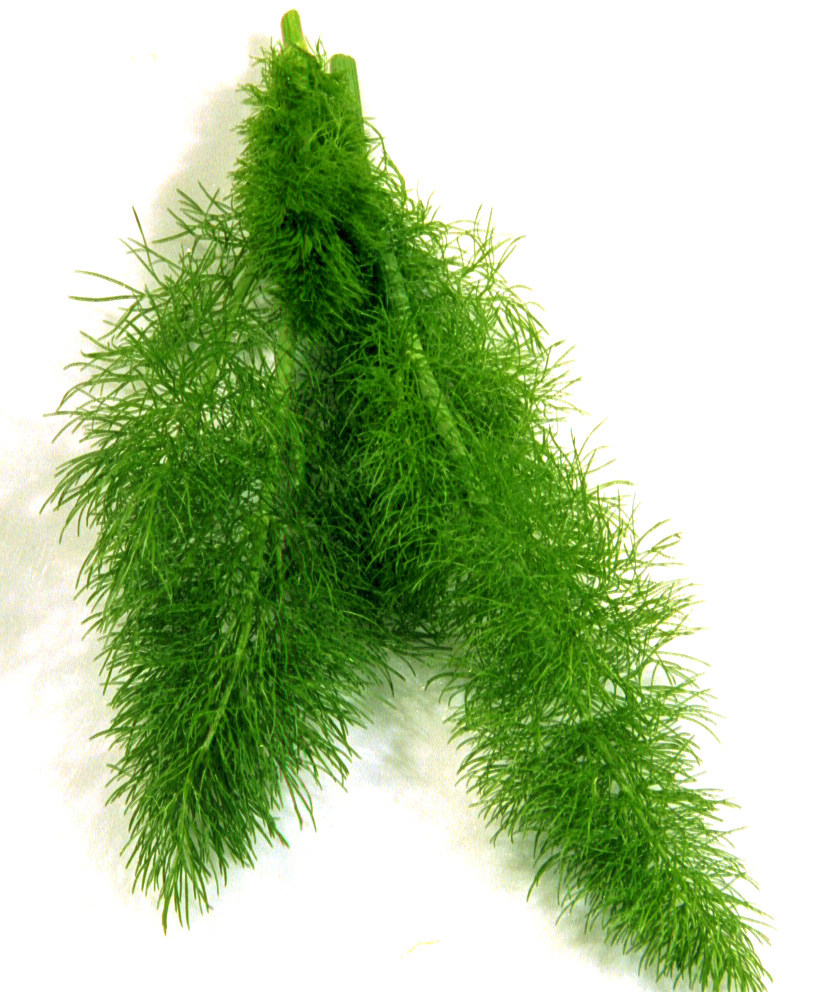
    Fennel
    is anti-aging and cleansing. It is also balancing for an oily scalp and promotes the general health of the scalp.

    Geranium
    is up-lifting and balancing. It treats lice, poor circulation and stress.


    Grapefruit
    helps clear oiliness and promotes hair growth. It also alleviates stress, depression, headaches, tiredness and moodiness.

    Lavender
    is considered one of the safest oils and used for normal hair. It can also be used as a soothing and calming scalp treatment for itchiness, oiliness, dandruff and even lice! Lavender also treats depression and stress.


    Lemon removes sebum and acts as a very effective anti-bacterial treatment for dry scalp, oily/greasy scalp, dandruff, lice, and underactive sebaceous glands. It can also be used to improve circulation, concentration levels and energy levels whilst reducing stress and alleviating headaches.
    Lemon is can also enhance golden highlights.
    (Avoid direct sunlight exposure when using lemon oil)

    Myrrh is a great oil for detoxifying and alleviating skin ailments. It treats dry hair, dandruff and lice, and regulates oil production; especially under-active sebaceous glands.

    Neem oil has a very strong smell; a combination of peanut and garlic. It helps reduce scalp inflammation and itching and is able to treat head lice too.

    Patchouli stimulates cell regeneration and is able to treat a number of scalp disorders. It is great for removing dandruff and controling oil production.
    (Has a very strong smell which some people can't tolerate and large doses may trigger appetite loss).

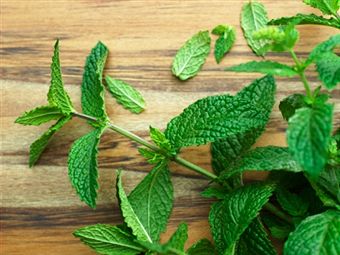
    Peppermint
    is refreshing and cooling. It helps reduce redness, itchiness and irritation. It's great for itchy dandruff problems and cooling inflammation on the scalp. Peppermint is used for dry hair. It promotes hair growth and is beneficial for treating headaches and stress.
    (Avoid if your skin is sensitive to menthol. Should also not be used for small children).

    ** ROSEMARY **
    is the wonder oil of essential oils for the hair as it has a pronounced, positive effect on the health of the hair and scalp. With a pleasant, tantalizing and stimulating smell, it increases the circulation to the scalp and is especially known to help promote and stimulate hair growth.  Rosemary oil is great for treating scalp disorders (eg. oiliness and dandruff). It is also beneficial for alleviating headaches and migraines. When added to shampoo it not only increases the circulation to the scalp and thereby improving hair growth, but also acts as a general conditioner and tonic for the hair and scalp. It furthermore stimulates the brain, improves memory and promotes clear thinking too!
    (However it is not suitable for people suffering from epilepsy or high blood pressure).

    Sandalwood
    is calming and relaxing. It relieves a dry, dehydrated scalp, itching and inflammation, alleviates stress and depression and has anti-aging properties. It also has a balancing effect on oily scalp.

    Tea Tree cleanses and purifies. It is anti-bacterial and immune-boosting. Great for treating mild dandruff, head lice and regulating the sebaceous glands - oily/dry scalp.

    (Not suitable for sensitive skin; may cause an allergic reaction. Also not to be used on open skin as it is very potent).

    Ylang-ylang is fragrant oil which is soothes, calms and balances - good for the body, mind and soul. It helps to balance skin regeneration and stabilize sebum production (oily/dry/dandruff). It also has a stimulating effect on the scalp which promotes more luxurious hair growth.
    (Over usage or large doses can cause nausea and headaches in some people. May also cause sensitivity).

    Since I'm not an expert in aromatherapy I won't be telling you how to mix any of the oils for your personal needs; I am merely highlighting the benefits of essential oils and would like to promote an appreciation for aromatherapy in hair care, as you may find more and more brands using oils in their products, especially shampoo.

    What is even more exciting is that the more forward-thinking brands are even incorporating essential oils into their styling products, meaning we will be treating our hair and scalp (and also our bodies) to soothing, healing formulas rather than the old chemical formulas with parabens and perfumes (no perfumes are needed when using essential oils as they provide naturally pleasing fragrances). For more information, see my blog posts about Naturalmente.

    CAUTION:
    Do not use essential oils on broken or irritated skin. In high concentrations, essential oils may irritate sensitive skin.
    Never apply directly to the skin without mixing with a base or carrier oil (eg. Jojoba oil, Olive oil, Hazelnut oil, Sesame oil, Hemp Seed oil, Almond oil, Grapeseed oil or Soybean oil).
    Keep out of reach of children. Keep away from the eyes. Do not ingest.
    Seek medical advice if pregnant, suffering from epilepsy, or using homeopathic remedies. 


    If you enjoyed this post you may also enjoy: Caring for a Sensitive Scalp
    Healthy Hair From The Inside Out
    Treat Your Tresses
    Posted by Katrein at 1:38 PM No comments:
    Email ThisBlogThis!Share to XShare to FacebookShare to Pinterest
    Labels: alopecia / hair loss, hair growth, haircare, healthy hair, long hair, oil treatment, scalp, shampoo, thinning hair

    Wednesday, November 10, 2010

    African Organics - Hair & Body Range

    Review of African Organics Hair and Body Range

    African Organics Range
    Source: Phytotradeafrica.com
    I've been using their shampoo for 4 months now and I'm very happy with the product, so much so that I will most likely never use another type of shampoo again. I found it to be incredibly gentle and left my hair feeling cleansed without stripping my scalp entirely of moisture.

    African Organics conforms to both BDIH (Germany) and Ecocert France standards for 100% natural products and doesn't contain synthetic preservatives, petrochemicals or synthetic fragrances. Their ingredients are 100% African and rapidly biodegradable. This means that the products are not only good for you but good for the environment and good for the African economy.

    The range consists of shampoo, conditioner, 2-in-1, body wash and body lotion and all their products are low priced and affordable.

    They are also endorsed by Beauty Without Cruelty and are not tested on animals (African Organics won't even buy from suppliers who do).


    The Ingredients

    African Organics can be used confidently by those with sensitive skins as they do not contain any harsh chemicals and they are pH balanced for your skin and hair.

    Extracts of Coconut (Cocamidopropyl Betaine - NOT Sodium Lauryl Sulphate!) are used to cleanse and nourish your hair and scalp, and provide a lathering base for the shampoo and body wash.

    Rosemary extract is known to stimulate a healthy scalp and healthy hair growth.

    Aloe Ferox is great for healing skin and scalp troubles. You could say it has regenerative properties and is also soothing for irritated and sensitive scalps. Aloe is used to help reduce excessive hair loss and normalizes the scalp. For the hair itself it is a good natural conditioner.
    Some of the other fantastic African ingredients include:
    Spearmint Leaf Oil, Baobab Fruit extract, Rooibos extract, Buchu extract, Sunflower seed oil, Jojoba oil, Vitamin E, Hydrolyzed Wheat Protein, Honeybush Leaf Extract, Marula Oil and Sesame Seed Oil, all of which is really good for you and your hair.

    A Synthetic Cosmetic Ingredient to Avoid

    While we are on the topic of organic shampoo, the number one ingredient to avoid is Sodium Lauryl Sulfate (or Sodium Laureth Sulfate or SLS). It is also frequently the most prominent ingredient in cleansing products.

    According to Organic Consumers,"This synthetic substance is used in shampoos for its detergent and foam-building abilities. It causes eye irritations, skin rashes, hair loss, scalp scurf similar to dandruff, and allergic reactions."

    I've been told that SLS is used by Dermatologists to sensitize the skin before testing for allergies and so we can infer that it is a irritant for most people's skin.

    It's no surprise then that people who frequently expose their skin to products containing SLS develop Dermatitis and other skin troubles as the skin's protective moisture barrier is weakened.

    It is most probably the main reason why small children and pets should not be cleansed with adult shampoo, EVER. The question is, do we really need this ingredient ourselves? Go check your current shampoo now. It's probably right there next to Aqua.

    For this reason you wouldn't wash your face with shampoo and yet I'll tell you something amazing, I have been washing my face with African Organics shampoo and it feels so nice and cleansing without leaving it tight and dry and no residue either. I've only done this because I know and trust that the ingredients are top quality and it's been the ultimate test that this shampoo and this brand is GOOD for your skin.

    I hope you can make a better and more informed decision about shampoo from now on. Take Care :)
    Posted by Katrein at 8:46 AM 2 comments:
    Email ThisBlogThis!Share to XShare to FacebookShare to Pinterest
    Labels: alopecia / hair loss, conditioner, curly hair, damaged hair, fine hair, hair growth, haircare, healthy hair, mens hair, oil treatment, scalp, shampoo, South Africa, thinning hair

    Wednesday, August 18, 2010

    Treat Your Tresses

    The 101 on conditioning, treating and restoring your hair.

    ** PLUS Product Reviews on home haircare treatments **

    YOUR PRIMARY HAIR NEEDS
    Your hair needs both protein and moisture. Protein gives form and strength to the hair whilst moisture maintains its softness and flexibility, and protects the hair from split ends.

    (1) CONDITIONER
    Ordinary conditioner, also called surface conditioner, does not penetrate the hair shaft and therefore has no long-term effect on the hair. It is used for softening, de-tangling and adding lustre to the hair. Conditioner is also used for light nourishing and moisturising much like a skin moisturiser.

    Colour conditioners and perm conditioners are specially formulated to condition the hair after the chemical process and should always be used as recommended by the manufacturer of the chemical product as the hair needs special care in these circumstances.

    LEAVE-IN CONDITIONER
    Leave-in conditioners are good for fine and frizzy hair as a little should not weight down the hair but will allow the hair to dry with it's natural volume or bounce and avoid the limp, lifelessness of a conditioner that is rinsed out.

    Leave-in conditioners and serums (containing silicones) are also an effective aid for taming frizzy hair as well as sealing and protecting the hair from split ends.

    Leave-ins are also great for little girls as their hair is often prone to tangling - an unnecessary stress for both mother and daughter - and a leave-in provides a de-tangling effect until her next wash.

    CO-WASHING
    The method of co-washing is followed by women with curly, wavy and frizz-prone hair. Instead of using shampoo to wash their hair they use conditioner. This method is actually more commonly known as the no poo method but co-washing sounds more polite to me, thanks!

    The reason for co-washing is based on the premise that shampoo is like detergent on curly hair and strips the hair and scalp of all moisture leaving it dry, frizzy and brittle, whereas conditioner is able to cleanse the hair and scalp whilst leaving it moisturised.

    If you are interested in implementing the no poo method effectively you would need to massage and rub your conditioner into the scalp as you would with shampoo and then you would use sweeping motions to gently "pull" (stroke) your conditioner throughout the hair for maximum benefit. With the no poo method you will feel a type of cleanliness that is different from the squeaky clean (and often dry and tight) feeling from shampoo so it takes some getting used to.

    For more information Google "no poo movement" or "co-washing" and click here to see the visual benefits of co-washed hair for curls. One last word of advice on co-washing; only do it if you intend to leave your hair to dry naturally wavy/curly. If you intend to style your hair with heat (blow dry or straighten), rather make sure to wash the oils out of your hair with shampoo, or you may end up unintentionally frying your hair - sizzle sizzle, yum yum, with bacon on the side :)

    MAYBE NOT YOUR CUP OF TEA
    Some people feel that conditioner makes their hair feel greasy more quickly. If your hair isn't dry or curly then you may find that you can get away without using conditioner if it has no benefit for you.

    For those who really need the benefit of conditioner for their hair, then make sure to avoid the scalp and just focus the conditioner on the ends of the hair, followed by a thorough rinse.

    Those with extremely fine, limp, lifeless or aging hair lacking volume may also consider avoiding conditioner altogether because it is contrary to your styling needs.

    (2) TREATMENTS
    Hair treatments are also known as penetrating conditioners as they contain many of the same ingredients as ordinary conditioners but are able to penetrate the hair shaft. It is a good idea to use a treatment once a week, however some treatments can even be used as frequently as you wash your hair (if desired). A treatment can therefore replace your conditioner if your hair desperately needs intense care.

    INGREDIENTS TO LOOK FOR

    Aloe - the Aloe leaf has wonderful healing properties for a healthy scalp and acts as an effective hair conditioner that helps prevent hair damage naturally.

    Silicones - Dimethicone, Dimethiconal and Cyclomethicone (etc) provides heat protection and sun protection, seals the hair shaft and adds shine, seals split ends, prevents split ends and guards against frizzy hair. On the down side, silicones coat the hair and can cause build-up and dullness so be sure to cleanse well. And also remember they can make your hair look greasy if used excessively.

    Vitamin E (Tophocerol) and Panthenol (Vitamin B) - are both thought to provide some benefit when applied topically.

    Hydrolyzed wheat protein and Soy protein - have been formulated to penetrate the hair shaft and help support the hair structure. Too much protein can however, lead to dry hair and breakage, if it is not also balanced with extra moisturisers. These proteins are not natural in the hair so they do not necessarily make a difference to the quality of one's hair fibre.

    Keratin and Collagen - are the natural proteins of the hair. Keratin is obviously the main one for the hair structure and provides strength, whereas Collagen provides flexibility and youthfulness to the hair. Collagen production decreases with age, so the older you are the more likely your hair is to become brittle and dull. Keratin and Collagen use have no down-side (as far as I know). They are natural and perfect for your hair.

    All hair types should avoid hair conditioners containing alcohol as it dries the hair out and may even cause hair loss. 

    SCALP MASSAGE AND OILS
    Oils fall between conditioner and treatments as they do not penetrate the hair shaft but they do improve the hair and scalp environment and therefore aid hair health and growth.

    Essential Oils Several drops of one of these essential oils - Rosemary, Lavender, Tea Trea, Mint, Lemongrass or Camomile - can provide aromatherapy health benefits for your scalp and hair.

    Massage/Carrier/Base Oils Almond Oil, Neem Oil, Castor Oil, Jojoba Oil and Olive Oil are among the many oils used for scalp massage. Scalp massage stimulates the blood flow to the hair and therefore stimulates healthy hair growth. Oils are also anti-bacterial and are able to treat the scalp.


    Hot Oils are essentially glamorous conditioners and provide much of the same benefits as conditioner.


    SCIENCE ON THE SIDE
    Acidity The hair is most healthiest when treated with a product with a low ph, between 2.5 and 5.5. It is unfortunate that most hair products do not communicate this information but if they did it would be a useful tool to compare different products

    Ions Negative ions are used to restore lustre to damaged hair whilst positive ions represent damage to the hair shaft. Ionic technology is used in some hair straighteners, dryers and treatments, particularly Bio Ionic, CHI and sometimes by L'Oreal.

    (3) HAIR RESTORATION AND REPAIR
    The following treatments are known to last longer for restoring the hair fibre to a healthy texture and shine. For more information about each, you can follow the links to educate yourself. These treatments can be very expensive so I would recommend that you research them before parting with your money and submitting your hair to the experience.

    TANAGRA
    http://www.tanagra.co.za/
    http://www.nanokeratin.com/
    http://www.handbag.com/hair/Haircare-advice-on-Tanagra--hair-repair/v1


    BIOLUSTRE
    http://news.biolustre.com/
    http://www.biolustrepro.com/

    BRAZILIAN KERATIN TREATMENT:
    http://www.straightenmyhair.com/How-Does-work.php

    http://www.stylelist.com/2010/04/27/brazilian-keratin-hair-treatment/
    http://www.essence.com/hair/expert_advice_1/brazilian_keratin_treatment.php

    ** REVIEWS ** Products to treat your hair at home **

    1 - AIM On One Condition is a "hydraplenishing" conditioner which absorbs thoroughly into the hair and can be used daily. It made my hair feel restored and rehydrated and I didn't find it greasy. It contains nourishing Aloe leaf juice and left my hair feeling beautifully smooth, tangle-free and healthier-looking, especially when it was feeling particularly dry and damaged due to highlighting and straightening. This product felt more like a treatment than a conditioner and has the added benefit of smelling very fresh and attractive.

    2 - Ladine Hair Repair Treatment (pH 4) provides instant relief to damaged and exhausted hair. It made my hair feel soft and luxurious and had a lasting effect. Ladine has been specifically formulated for African/ethnic hair but this particular product is suitable for all curly hair types, frizzy hair, dry hair, chemically-treated hair and damaged hair.

    3 - Another winner is Seri Hydrating Hair Mask. There are two types - one is for dry, damaged hair and the other is for colour-treated hair. Both have very pleasant fragrances and contain Collagen which made my hair feel (and smell) fabulous. This mask can be used instead of conditioner or left on for a few minutes with a hot-towel treatment or even used again after rinsing (and patting the hair dry) as a leave-in treatment for creating soft, well-defined curls.

    4 - L'Oreal Age Densiforce Masque is infused with Omega 6 to restore a youthful appearance to the hair. It is originally intended for aging hair but hell I probably love it more than the grannies do! It made my hair feel absolutely amazing with the added benefit of a lovely feminine fragrance and the joy of a beautiful pearlescent shimmer. It reminds me of body creams that have a pearly glow to them and it makes me wonder why all other hair brands haven't put this into their hair products too because it's just such an absolutely cool feeling to have shimmery hair.
    Posted by Katrein at 12:21 AM 7 comments:
    Email ThisBlogThis!Share to XShare to FacebookShare to Pinterest
    Labels: african/ black/ ethnic, chemically-treated hair, colour-treated hair, conditioner, curly hair, damaged hair, fine hair, frizzy hair, haircare, healthy hair, keratin treatment, long hair, oil treatment

    Tuesday, July 27, 2010

    Healthy Hair From The Inside Out

    To be honest healthy hair is built on the nutrients that we put into our bodies so there is truth to the notion that we can affect the growth and health of our hair's natural cycle by giving it what it needs - or not giving it what it needs! In other words, you are what you eat.

    Hair Growth - a Little Scientific Background

    The average hair is genetically predetermined to grow for about 5 years at an average rate of 1cm per month. Obviously what is considered normal is actually quite broad and some people will have much faster growing hair than others, just as some people are much taller than others.

    The growth phase is followed by a relatively short period of rest, usually a few months, during which the hair is no longer growing. At the end of the rest period the hair is shed as a new replacement hair pushes it out naturally. This is known as the hair growth cycle.


    Your hair is fed nutrients from the blood supply which is connected to your hair shaft at the bulb. This entire growing process only occurs within the hair follicle (which is the sheath within your scalp for each individual hair). Once the hair has emerged out of your scalp, it is dead and no longer able to receive nourishment from the blood.

    Motivated to be Healthy

    For the most part worrying about how to keep our hair healthy isn't something that keeps us awake at night but you may find that your hair is an indicator of changes in your overall health and so it can be motivation to get healthier. Deficiencies or imbalance can creep into our lives so easily these days due to stress, recovering from illness, smoking or dietary deficiencies (e.g. a vegetarian diet, a westernised or unbalanced diet, crash dieting, or for other reasons like soil erosion and subsequently nutrient-deficient foods).


    When to Look Elsewhere

    If you are experiencing considerable hair loss or other alarming problems you should probably see your doctor as diet alone won't correct these. Some circumstances that have been known to affect the hair are:

    1) Puberty
    2) Pregnancy, and especially childbirth
    3) Taking a contraceptive pill, and especially going off it
    4) Other medications (Take note of the possible side effects)
    5) Thyroid imbalances
    6) Menopause
    7) Genetics - Even hereditary hair loss (male and female) is treatable.

    Disclaimer: The following information is merely an aid to increase your knowledge of nutrition and it's role for the hair. Please do not take it as gospel because it only focusses on the beauty side of nutrition and so does not fully resemble a balanced diet.

    Always consult your doctor before you make any major dietary change or start a supplementation program, especially if you already have a diagnosed condition and are taking medication.

    Food for Hair

    Protein makes up the building blocks of the cells in the body and hair is mostly comprised of the protein keratin. To encourage healthy hair growth, one's diet therefore needs to have a significant amount of protein, especially in the form of essential amino acids. Dietary sources for protein include fish, sea food, meat, eggs, liver, tofu, soy, soy milk, beans, peas, nuts, seeds, cheese, yoghurt, brewer's yeast, wheat germ and granulated lecithin.

    For good health and hair growth you also need vitamins, minerals and essential fatty acids which can be found in a diet that includes vegetables (especially dark green or leafy vegetables), fruits, nuts, seeds, fish, fish oils and some vegetable oils.

    Green tea is also apparently really good for you. However it's health benefits are in such low concentration that you would need to consume large quantities of green tea is order to benefit from it and by that stage you would have also consumed a lot of caffeine. Perhaps it is more useful for it's anti-oxidant benefits when used in skincare and haircare products?

    In terms of drinking adequate water for your health, I think we would probably do well to make a daily habit of drinking more water in proportion to other drinks and also make sure that the water you drink is free of additives and other impurities.

    Supplementation

    While eating a good diet is great, it may still be difficult to guarantee that you will get all the nutrients you need. Depending on where you live in the world and the food that is available to you, there may be deficiencies even in your obviously healthy food such as vegetables, and so supplementation may be required.

    Supplements are usually taken with food as the high concentration can cause irritation in the digestive system and nausea.

    Since this is a beauty blog I am focussing on those nutrients which are also helpful for skin and nails. Often deficiencies in nutrients that are essential for the hair (eg. Iron and Zinc) are also visible in the skin and nails and this can be a useful tool for monitoring changes in your overall health.

    Vitamins
    • Retinol / Vitamin A functions in the maintenance of healthy skin, hair and nails. There is a toxicity warning in that taking large doses of vitamin A for a long period of time can trigger hair loss and special caution needs to be taken for infants and pregnant women. Beta-carotene is converted to Vitamin A as the body needs it. It is likewise essential for hair growth and maintenance, as well as healthy skin and nails.
    • Biotin (Vitamin B7 / Vitamin H) plays a key role in maintaining healthy hair, skin and nails, as well as preventing graying. A healthy body makes its own biotin in the intestines but deficiency can lead to noticeable hair loss (specifically dermatitis alopecia). It is only required in the diet in certain circumstances.
    • Vitamin B12  (Cobalamin / Cyanocobalamin) is normally involved in the metabolism of every cell of the body. It functions in the manufacture of red blood cells and the maintenance of a healthy nervous system and is therefore important for the health and growth of the hair.
    • Folic Acid / Vitamin B9 is necessary for the formation of new cells and protein metabolism. Folic Acid is a key ingredient for the maintenance of healthy hair and skin. When deficient in folic acid, some men became completely bald.
    • Pantothenic acid / Vitamin B5 is needed for hair growth and maintaining healthy skin. It helps to build new cells, maintain normal cell growth and protect cells against the signs of aging. It is also used topically for these benefits.
    • Pyridoxine / Vitamin B6 is needed for protein metabolism and so helps to maintain healthy skin and hair. Men deficient in vitamin B6 often lose their hair.
    • Asorbic Acid / Vitamin C maintains healthy skin and connective tissue. It aids in scalp circulation by maintaining the capillaries that carry blood to the follicles.
    • Vitamin D may be associated with a healthy hair follicle growth cycle.
    • Vitamin E increases oxygen uptake, which improves circulation to the scalp. Since hair health is tied to the immune health, vitamin E is also believed to stimulate hair growth by enhancing the immune function.

    Minerals
    • Calcium is needed for nail formation.
    • Copper is the primary element used in the production of melanin that pigments skin and hair. It may therefore help to delay the appearance of gray hair. It is however a trace element and very little in needed. Deficiency may exhibit itself much like anemia (iron deficiency). Copper also competes with Zinc for absorption.
    • Iron is needed for healthy nails and hair, and anemia is one of the most frequent causes of hair loss. It can also produce abnormally thin - flat or spoon-shaped - nails.
    • An Iodine disruption is associated with thyroid problems (including symptoms of hormone disruption and mood swings) and will frequently lead to hair troubles and hair loss.
    • A Selenium deficiency can be seen in the nails as a lightening of the colour of the fingernail beds. 
    • Sulfur / Sulphur deficiency can result in brittle hair.
    • Silica improves circulation and has anti-aging benefits for noticeable improvement in the skin, hair and nails. It may slow hair loss caused by aging, however it is a trace mineral and very little is required.
    • Zinc stimulates hair growth by enhancing immune function. A deficiency can be seen as white spots (bands or lines) on the nails, poor condition of the skin (acne and delayed wound healing) as well as poor condition of the hair (even hair loss). It has also been known to help fight genetic/hereditary hair loss in men and women. If you take a supplement with Zinc, consider that it may interfere with Iron, Phosphorus and Copper metabolism.

    Other Nutrients/ Supplements
    • Coenzyme Q10 should be present in the body as it is. It acts as an anti-oxidant, improves scalp circulation and increases tissue oxygenation (aerobic cellular generation and energy). It most probably isn't necessary to supplement Coenzyme Q10 but it is known to decrease with age so this may be a possible reason to supplement. 
    • Essential fatty acids improve the hair texture and prevent dry, brittle hair. EFAs function in metabolic processes and are anti-inflammatory. Food sources include flaxseed/linseed oil, primrose oil, canola/rapeseed oil, soya oil, hemp oil, fish oils, pumpkin seeds, sunflower seeds and walnuts.
    • Ginseng helps to regulates cellular metabolism, assimilate vitamins and minerals, promote protein synthesis, and improve vascular circulation - all of which will help hair growth.
    • Inositol is a non-essential nutrient. It is used in fat metabolism and general cellular growth. It has been shown to help maintain healthy skin and hair as well as preventing fallout.
    • Para-Aminobezoic Acid / PABA is considered non-essential but can have benefits for premature grey hair.
    • Lycopene is an anti-oxidant which may be helpful in treating age-related hair loss and genetic hair loss (male and female pattern balding).

    Tips for Growing (Long) Naturally Healthy Hair

    1. Eliminate or cut back on smoking and caffeinated drinks which weaken the body's ability to get the correct nutrition.
    2. Eat a healthy balanced diet. Avoid foods that are high in sugar or fat - actually avoid anything in excess really.
    3. Treat your hair with respect since it is essentially dead and will not be able to repair itself once it is damaged.
    4. You may wish to finish off washing your hair in the shower with a cold rinse to stimulate the scalp circulation and seal the hair cuticle. This aids hair and scalp health and will help to reduce frizz and improve shine.
    5. A weekly scalp massage with an oil for the hair will nourish the hair and cleanse the scalp. Many hair oils are also antibacterial and will improve the health of the scalp. For the best absorption, you can leave it on for 2-3 hours before washing. Oils used for scalp massage include Neem oil, Olive oil, Almond oil, Jojoba oil and essential oils like Rosemary and Lavender.
    6. Have regular trims to eliminate split ends and allow the hair to look and feel healthier.
    7. Get plenty of rest and sleep to allow your body to cope with stress and repair itself.
    8. And remember to keep well hydrated :)
    Posted by Katrein at 10:10 PM 2 comments:
    Email ThisBlogThis!Share to XShare to FacebookShare to Pinterest
    Labels: alopecia / hair loss, hair growth, haircare, healthy hair, long hair, nutrition, oil treatment, scalp, thinning hair
    Older Posts Home
    Subscribe to: Posts (Atom)

    Followers

    Blog Archive

    • ▼  2012 (3)
      • ▼  November (1)
        • Heads Up on Great Haircare
      • ►  May (1)
      • ►  March (1)
    • ►  2011 (32)
      • ►  December (1)
      • ►  November (2)
      • ►  October (2)
      • ►  September (2)
      • ►  August (2)
      • ►  June (2)
      • ►  May (1)
      • ►  April (5)
      • ►  March (1)
      • ►  February (9)
      • ►  January (5)
    • ►  2010 (13)
      • ►  December (3)
      • ►  November (2)
      • ►  October (3)
      • ►  September (1)
      • ►  August (1)
      • ►  July (3)

    Popular Posts

    • Treat Your Tresses
      The 101 on conditioning, treating and restoring your hair. ** PLUS Product Reviews on home haircare treatments ** YOUR PRIMARY HAIR NEED...
    • Casual Summer Upstyles I
      Care-free & Go-with-the-flow According to the Hairdresser's Journal (UK) , "This season's hair should be left a little und...
    • Styling For Men
      The following styles are for short to medium hair that I hope will appeal to and inspire the average guy to give their hair an up-to-date ed...
    • Heads Up on Great Haircare
      Here follows my (Catherine's) personal response to an online article entitled " Heads up on great haircare " Heads Up says: ...
    • Making Waves |
      I was feeling like I've neglected my blog over the last month so started browsing through the pics I've collected on tumblr and was...
    • Thinking of Buying a Hair Straightener?
      Getting your style without the damage When buying a hair straightener (which can also be called a flat iron, hair iron or ghd), there are ...
    • Healthy Hair From The Inside Out
      To be honest healthy hair is built on the nutrients that we put into our bodies so there is truth to the notion that we can affect the growt...
    • Tribute to Dip-dyed hair 2011
      I really like this trend for dip-dyed hair. It seems that a lot more ladies are pulling it off well and it's leaking its way into local ...
    • Great Ideas for Bridal Hair 2010-2011
      Here's a collection of ideas to help take care of your hair styling requirements for the big day. I hope you enjoy them and feel inspire...

    Still looking for more?

    I have been collecting interesting websites on my delicious account for years now. Click these links to see the respective websites for these tags:
    Hair Care
    Hairstyles
    Hair Loss
    Beauty
    Wedding
    Bridal
    Hair Extensions

    And my personal online collection of fashion hairstyles on Tumblr:
    For Ladies - Little Kitty Cut
    For Gents - Tom Cuts For Men
    Bridal Hair - Style My Day

    About Catherine

    My photo
    Cape Town, South Africa
    View my complete profile

    Total Pageviews

    Dreamhost promos

    Images, Copyright and Disclaimer

    Most images used on this blog are referenced from other sites and therefore linked or labelled to the original source. If you would like me to remove an image of yours please let me know and I will gladly remove it.

    This blog is not meant as a means of profit but rather to inform the public about issues regarding hair and health and spark new ideas and thoughts that will be beneficial to the reader.

    It is not meant to substitute professional consultation with a personal hairstylist or health professional but rather to help you make informed choices from a consumer perspective.

    Watermark theme. Powered by Blogger.